Environmental Impact Assessment (EIA) is a process of evaluating the environmental impacts of a proposed project or development. It is a tool used to predict and reduce the adverse effects of a project on the natural environment, as well as the socio-economic, cultural, and human-health aspects. EIA is used in the pre-planning stage of a project to provide technical evaluations that can inform more objective decision-making. EIA is a structured method that follows certain steps and guidelines.
Waste Management
Includes the processes and actions required to manage waste from its inception to its final disposal. This includes the collection, transport, treatment, and disposal of waste, monitoring, regulation of the waste management process, waste-related laws, technologies, and economic mechanisms.
Waste can be solid, liquid, or gas and each type has different methods of disposal and management.
Clean Production
This course on technologies of clean and renewable energy production teaches you about the concepts of clean energy and renewable energy, as well as the cleaner routes for energy production from coal. You will learn about the use of petroleum in energy production. You will also be able to explain the removal of impurities from liquid fuel. by the end of this course, you will understand the clean and renewable energy sources concepts and production techniques practically.
Wash
WASH is a key program taught at Mr. Safety Training Center, and it is an important part of the courses we provide for capacity building. A coherent approach and adequate capacity are needed to improve the enabling environment for Water, Sanitation, and Hygiene (WASH) service delivery. This course builds the capacity of WASH career seekers and practitioners so they can support national governments in strengthening the enabling environment for WASH service delivery and familiarize them with existing approaches, processes, tools, resources, new thinking, and innovative mechanisms for strengthening the enabling environment for WASH service delivery.
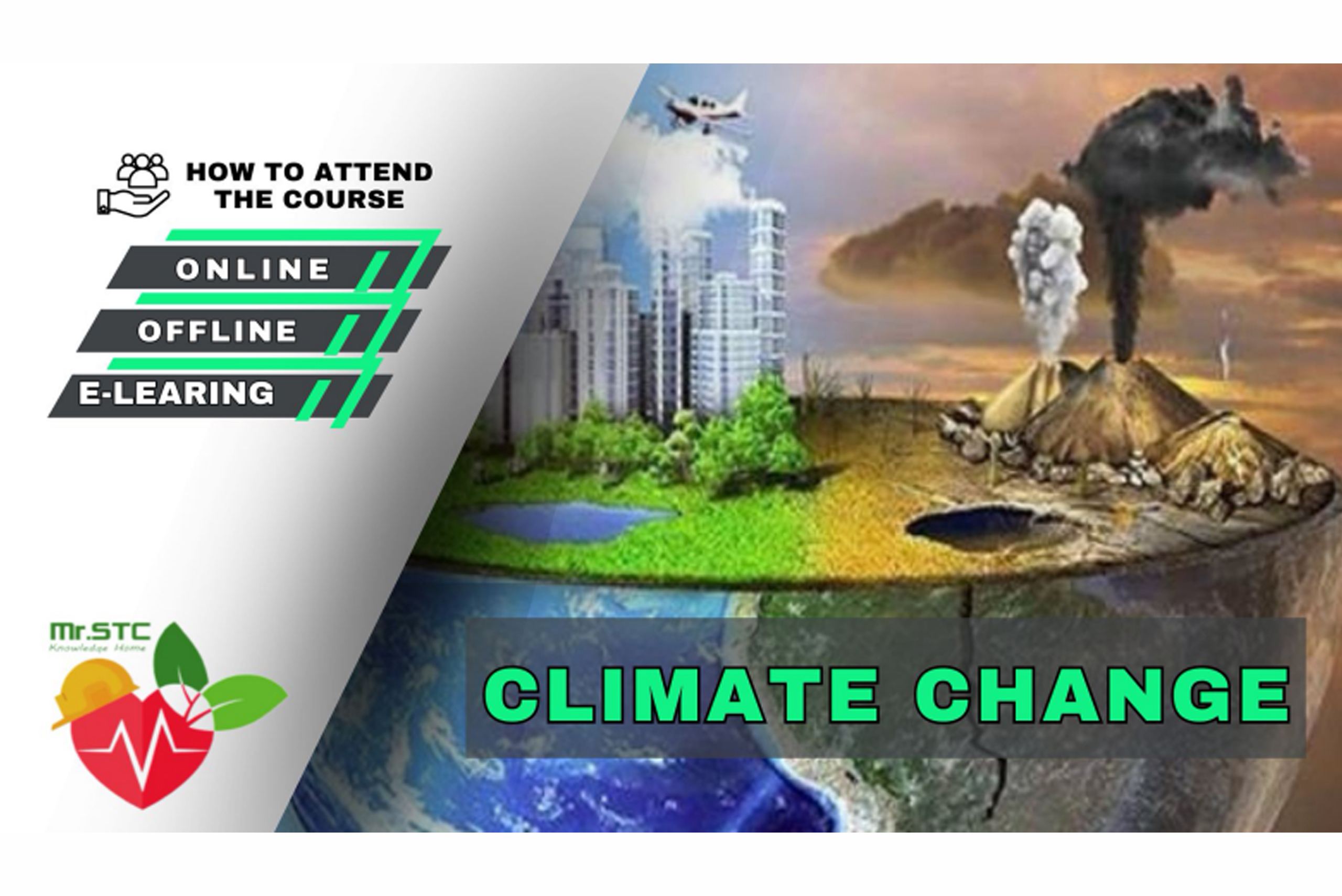
Climate Change
This course explores the issue of climate change and global warming. We will begin by exploring how the Earth’s global mean surface temperature is determined through a global “balancing act” of the rate of energy that comes from the Sun and the rate at which the planet returns that energy into space.
Monitoring & Evaluation
This course introduces participants to key concepts of Monitoring and Evaluation, to enable them to better understand, participate in, and contribute to the M&E processes and decision making. The course offers flexibility with options for learning the content.
Environmental Management
This Course introduces the management of the interaction and impact of human societies on the environment. It is not, as the phrase might suggest, the management of the environment itself. Environmental resources management aims to ensure that ecosystem services are protected and maintained for future human generations, and also maintain ecosystem integrity through considering ethical, economic, and scientific (ecological) variables .