ISO 9001 is the international standard specifying requirements for a quality management system (QMS). Organizations use the standard to demonstrate the ability to consistently provide products and services that meet customer and regulatory requirements. It is the most popular standard in the ISO 9000 series and the only standard in the series to which organizations can certify.
ISO 14001
ISO 14001 is the international standard that specifies requirements for an effective environmental management system (EMS). It provides a framework that an organization can follow rather than establishing environmental performance requirements.
Part of the ISO 14000 family of standards on environmental management, ISO 14001 is a voluntary standard that organizations can certify to. Integrating it with other management systems standards, most commonly ISO 9001, can further assist in accomplishing organizational goals.
ISO 45001
ISO 45001 is an international standard that specifies requirements for an occupational health and safety (OH&S) management system. It provides a framework for organizations to manage risks and improve OH&S performance.
ISO 22000
ISO 22000 is a food safety management system by the International Organization for Standardization (ISO), which is outcome-focused,[1] providing requirements for any organization in the food industry to help improve overall performance in food safety. These standards are intended to ensure safety in the global food supply chain. The standards involve food safety management guidelines and focus on feed and food chain traceability.
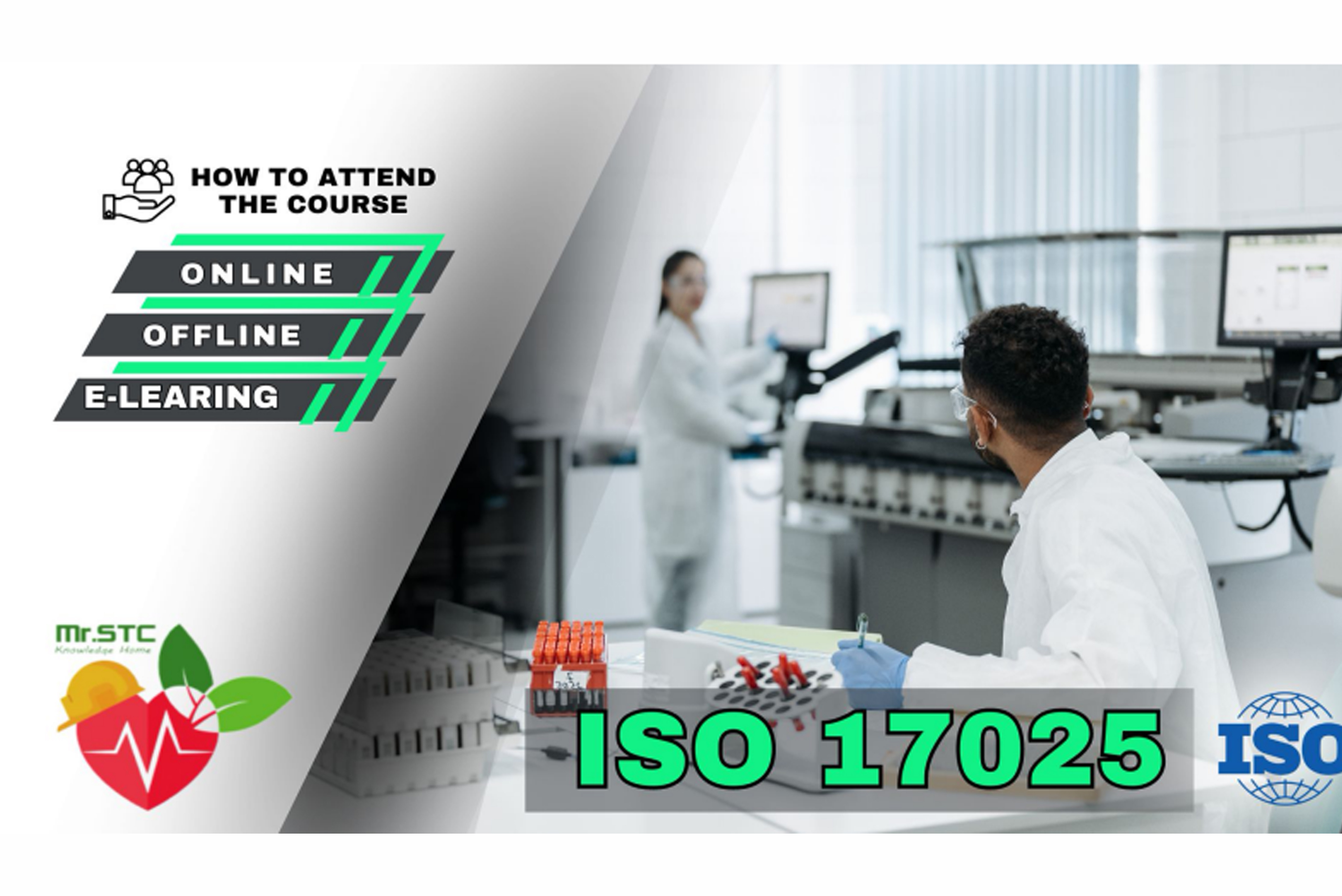
ISO 17025
17025 General requirements for the competence of testing and calibration laboratories are the primary standards used by testing and calibration laboratories. In most countries, ISO/IEC 17025 is the standard for which most labs must be accredited to be technically competent. In many cases, suppliers and regulatory authorities will not accept test or calibration results from a lab that is not accredited.
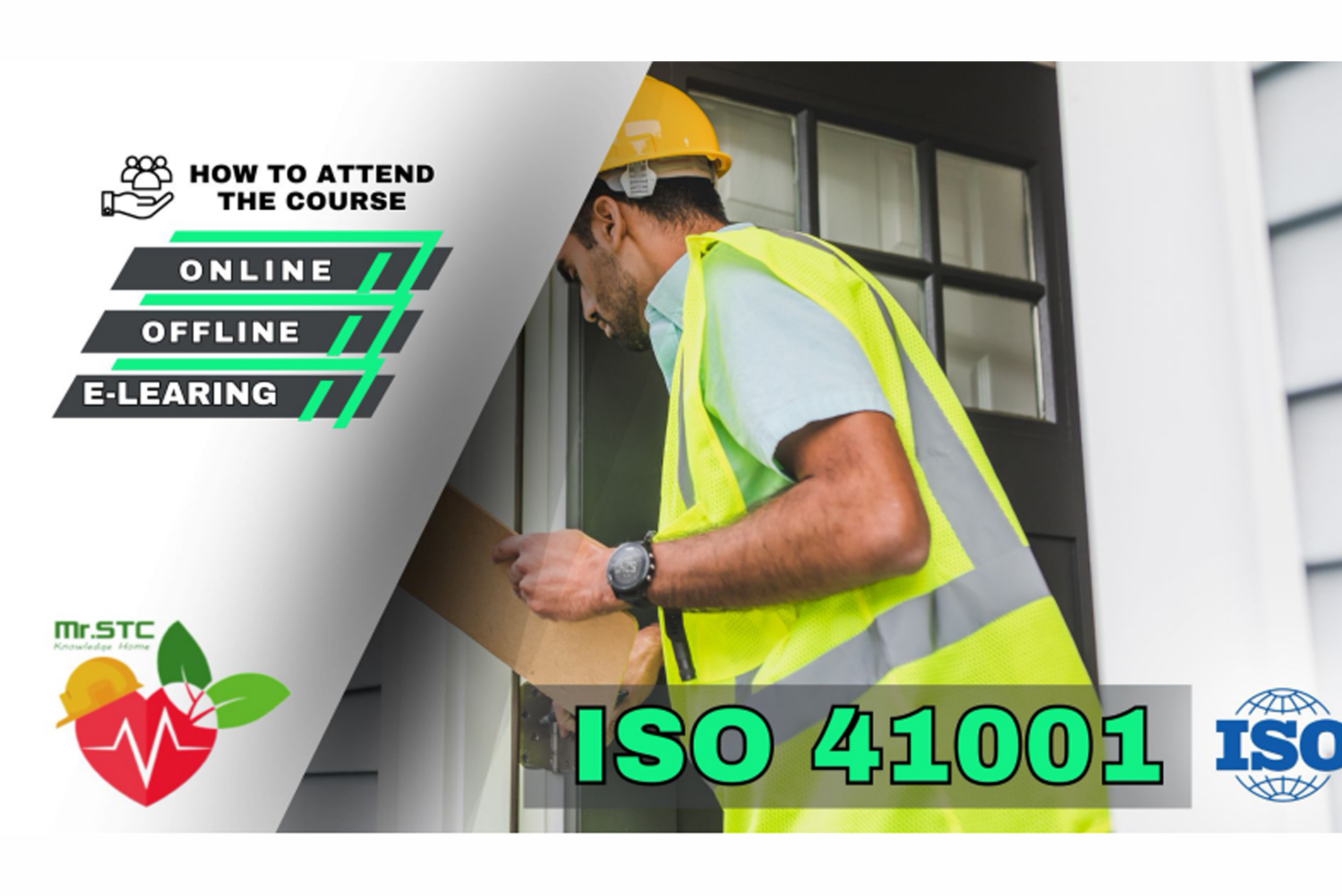
ISO 41001
17025 General requirements for the competence of testing and calibration laboratories are the primary standards used by testing and calibration laboratories. In most countries, ISO/IEC 17025 is the standard for which most labs must be accredited to be technically competent. In many cases, suppliers and regulatory authorities will not accept test or calibration results from a lab that is not accredited
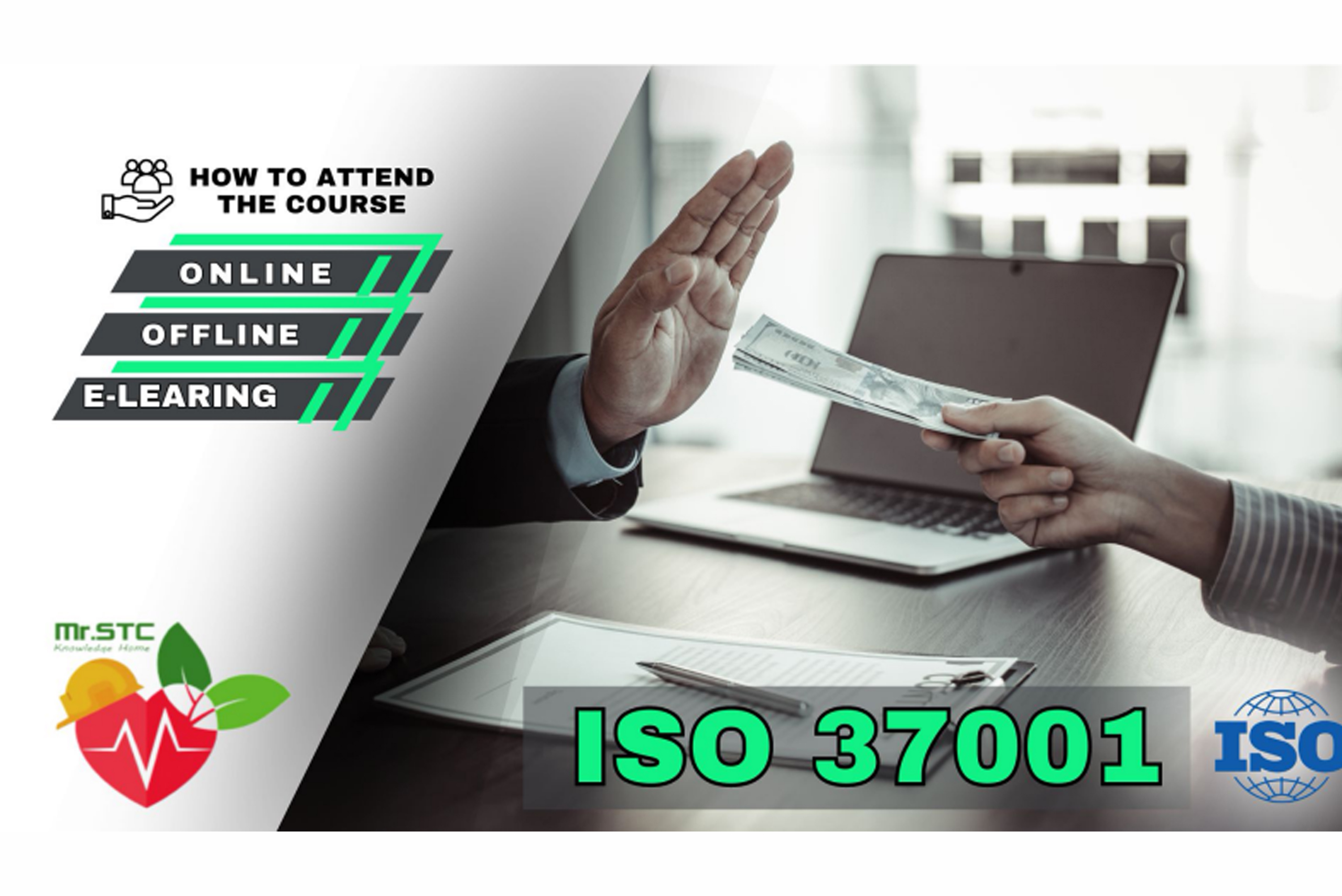
ISO 37001
Anti-bribery management systems – Requirements[1], with guidance for use, is a management system standard published by the International Organization for Standardization (ISO) in 2016. As the title suggests, this standard sets out the requirements for establishing, implementing, operating, maintaining, and continually improving an anti-bribery management system (ABMS). It also guides the actions and approaches organizations can take to adhere to the requirements of this standard.
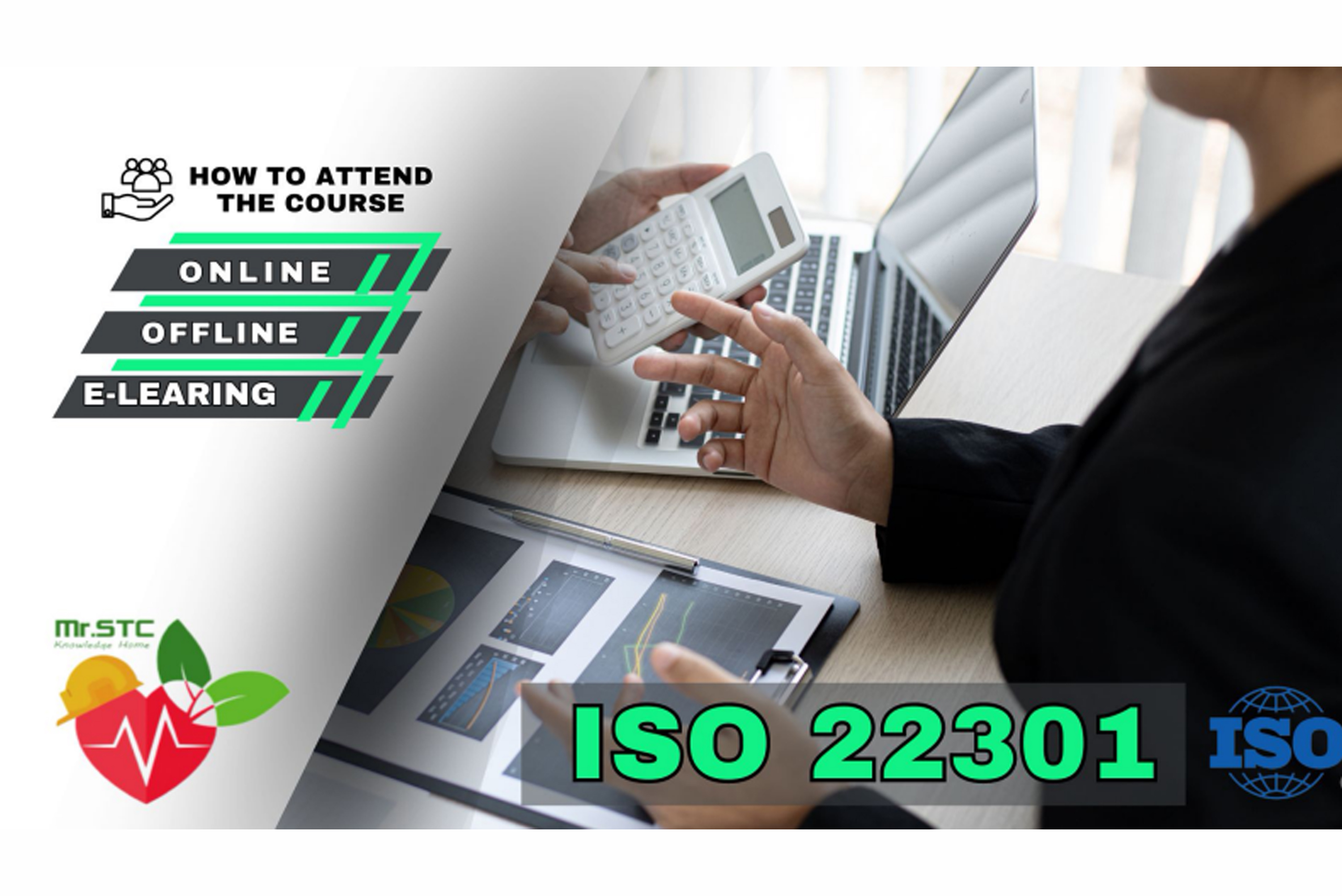
ISO 22301
ISO 22301:2019, Security and resilience – Business continuity management systems – Requirements, is a management system standard published by the International Organization for Standardization that specifies requirements to plan, establish, implement, operate, monitor, review, maintain, and continually improve a documented management system to protect against, reduce the likelihood of occurrence, prepare for, respond to, and recover from disruptive incidents when they arise.[1] It is intended to apply to all organizations, or parts thereof, regardless of type, size, and nature of the organization
ISO 31000
ISO 31000 is an international standard that offers principles and guidelines for effective risk management. It provides a framework and process that can be applied to various types of risks and is suitable for any organization, regardless of size, activity, or sector. Systematically.